

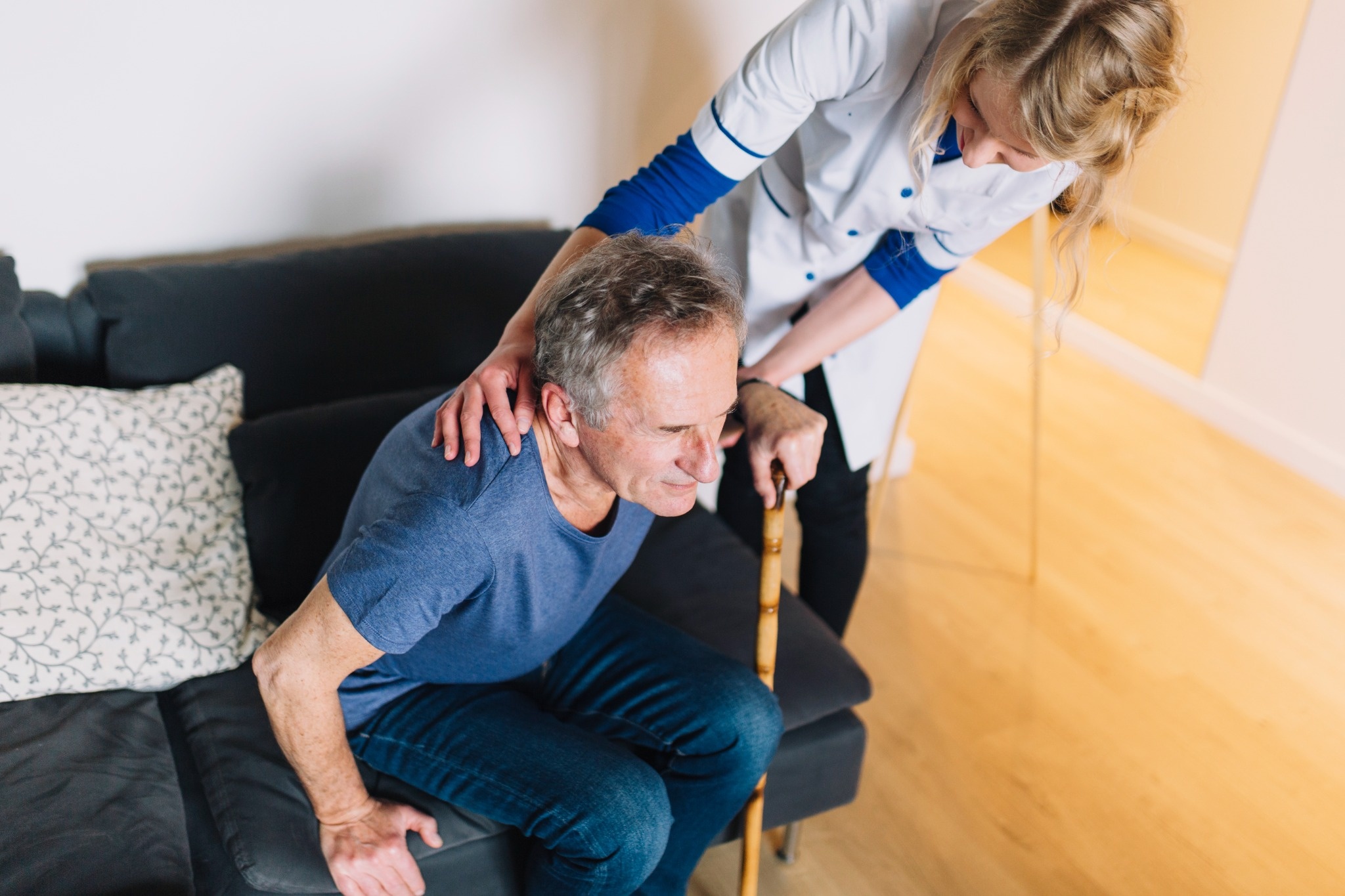
A fall at home can happen quickly, but its effects may last much longer. Even when there is no serious injury, an older person may feel less confident walking around the house, using the stairs or going out alone.
For families, this can create a difficult balance. They want their loved one to stay safe, but they also do not want to remove independence unnecessarily.
The good news is that falls are not an unavoidable part of ageing. A combination of safer surroundings, suitable footwear, regular movement, appropriate health checks and the right level of support can help reduce risk.
For older adults living in Bolton, Westhoughton and Horwich, small changes at home can make everyday routines feel safer and more manageable.
Falls are common among older adults. The NHS estimates that around one in three adults over 65 who live at home will have at least one fall a year.
A fall does not have to cause a serious injury to have a lasting effect. Many people lose confidence afterwards and begin moving around less, avoiding the stairs or staying in one room for most of the day. Over time, being less active can weaken muscles and affect balance further, which can make another fall more likely.
For families, a fall can also bring worry and uncertainty about whether a loved one is still safe living alone. Recognising this cycle early matters, because support that helps someone stay active and confident is often just as valuable as removing hazards from the home.
There is rarely one single reason why someone falls. Risk can increase because of a combination of health, mobility, medication and environmental factors.
Some older adults may have weaker muscles or reduced balance. Others may experience dizziness, poor vision, painful joints or difficulty lifting their feet properly when walking.
A change in medication, a recent illness or a period of reduced activity can also affect confidence and steadiness.
The home itself may add further risks, especially if there are loose rugs, trailing wires, poor lighting, slippery bathroom floors or items that require reaching or climbing to access.
This is why preventing falls should focus on the whole person and their daily environment rather than on one isolated problem.
One of the simplest ways to reduce fall risks is to make it easier to move around the home.
Walkways should be kept clear, particularly between the bedroom, bathroom, kitchen and living room. These are often the routes used most frequently throughout the day and night.
Families can look for:
Frequently used items should also be stored where they can be reached without stretching, bending too far or standing on a chair.
The aim is not to remove everything from the home. It is to make normal movement easier and more predictable. NHS and Age UK guidance similarly recommends reducing clutter, loose wires and trip hazards around the home.
Poor lighting can make steps, changes in floor level and small obstacles harder to see.
Rooms, hallways and staircases should be well lit, and light switches should be easy to reach.
Night-time movement deserves particular attention. Someone getting up to use the bathroom may be sleepy, less steady and moving through a dark room.
A bedside lamp, night light or motion-activated light can make the route easier to see without requiring someone to cross the room in darkness.
Bulbs should be replaced promptly, and areas such as entrances, landings and staircases should not rely on very low lighting.
Bathrooms can be difficult environments because water, smooth surfaces and changes in position can increase the chance of slipping or losing balance.
Useful safety measures may include:
If someone is struggling to get into or out of the bath or shower, it is better to ask for professional advice than to improvise with unsuitable equipment.
An occupational therapist or another appropriate professional may be able to recommend adaptations based on the individual’s needs. NICE recommends home hazard assessments and interventions for people at increased risk of falls in appropriate circumstances.
Stairs can become more difficult when balance, vision or leg strength changes.
Handrails should be secure and easy to grip. Steps should be kept clear of objects, and lighting should make the edge of each step easy to see.
Outdoor entrances also need attention. Wet paths, uneven paving, loose steps or poor lighting can create risks before someone has even entered the home.
During colder or wetter weather in Bolton, families may also want to check whether outdoor surfaces have become slippery and whether the person has a safer alternative if conditions are poor.
Footwear can make a noticeable difference to stability.
Shoes and slippers should fit properly, stay securely on the foot and provide good grip. Walking around in socks, tights or loose slippers may increase the chance of slipping.
Foot pain, reduced sensation or poorly fitting footwear can also affect the way someone walks.
If an older person develops ongoing foot pain, numbness or another problem affecting mobility, it should be discussed with an appropriate healthcare professional.
If a walking stick, frame or other mobility aid has been recommended, it should be used as instructed.
A walking aid is only helpful when it is suitable for the person and used correctly. Borrowing another person’s equipment or adjusting it without advice may make movement less safe.
It is also useful to keep recommended equipment close at hand. A walking frame left in another room cannot provide support when someone suddenly needs to stand up.
Families should avoid pressuring someone to stop using an aid simply because they appear stronger on a particular day. Changes to mobility support are best discussed with the relevant professional.
Staying active is an important part of maintaining strength, balance and confidence.
The right activity will vary from person to person. For some, regular walking may be appropriate. Others may benefit from a structured strength and balance programme recommended by a healthcare professional.
Someone who has become less active after illness or a previous fall may feel nervous about moving more. Support should therefore be gradual and suited to their ability rather than rushed.
If there are concerns about balance, repeated falls or a noticeable decline in mobility, a GP or falls service can advise on assessment and appropriate support. NICE specifically recommends falls-prevention exercise programmes for certain people at increased risk.
Falls can sometimes be linked to factors that are not immediately obvious inside the home.
Changes in eyesight may make obstacles or steps harder to judge. Hearing and inner-ear problems can also affect balance for some people.
Certain medicines may contribute to dizziness, drowsiness or low blood pressure. If someone feels lightheaded, unusually sleepy or unsteady after starting or changing medication, they should speak to a GP, pharmacist or other qualified healthcare professional.
Medication should not be stopped or changed without professional advice.
Regular eye tests and appropriate hearing checks can also form part of a wider approach to staying safe and independent.
Eating and drinking regularly can also support safer daily routines.
Someone who has not eaten enough or is dehydrated may feel weak, tired or lightheaded. This can make walking and standing more difficult.
Families may notice that an older relative is struggling to shop, prepare meals or carry drinks safely around the home.
Practical support with meals and drinks can help maintain a consistent routine. If there are concerns about ongoing poor appetite, swallowing difficulties, dehydration or unexplained weight loss, professional advice should be sought.
Preventing falls is important, but families should also have a plan in case one happens.
An older person should ideally have a way to call for help, such as a mobile phone they can reach or a personal alarm where appropriate.
If someone falls, they should not be rushed to stand immediately. They should first check for pain or injury and get help if needed.
Emergency help is appropriate if a person may have injured their head, back, neck or hip, or if they cannot get up. NHS 111 can provide urgent advice when someone has fallen and may be injured or unwell but the situation is not an immediate emergency.
A fall should also be discussed with a GP if there are concerns about balance or mobility, particularly if falls are becoming repeated.
Sometimes families can identify obvious hazards themselves, but repeated falls or significant mobility changes may require a more structured assessment.
Current NICE guidance recommends home hazard assessment and intervention for people at increased risk in appropriate circumstances, and this may be carried out by an occupational therapist or another suitably trained professional.
A professional assessment can consider how the individual actually moves around their home, rather than simply providing a generic checklist.
It may identify useful changes such as rails, equipment, safer furniture positioning or different ways of completing daily tasks.
Families should pay attention to changes in behaviour as well as actual falls.
Additional support may be worth considering if someone is:
These signs do not automatically mean that someone needs full-time care. Sometimes a small amount of targeted support can make daily routines much safer.
Homecare cannot remove every risk of falling, but regular support can help an older person follow safer routines at home.
Depending on the agreed care plan, a home carer may help with:
A carer should work within the individual’s care plan and training. They should not diagnose the cause of a fall or independently change medication or mobility equipment.
After a fall, it is natural for family members to become protective. However, doing everything for an older person can sometimes reduce confidence further.
Support should focus on the tasks that are genuinely difficult while encouraging the person to continue doing what they can safely manage.
For example, a carer may stay nearby while someone walks to the kitchen rather than automatically bringing everything to them. They may help with the difficult parts of dressing while allowing the person to complete the rest independently.
This person-centred approach can help maintain routine, confidence and a sense of control.
Rosie Nightingale Homecare Services provides personalised support for older adults and families across Bolton, Westhoughton and Horwich.
Care can be arranged around the individual’s daily routines, mobility, personal care needs and level of independence.
Our carers can provide practical assistance with personal care, meal preparation, medication routines, light household tasks, companionship and everyday movement within the agreed care plan.
Where there are concerns that require clinical assessment or specialist falls advice, families should speak with the appropriate NHS or healthcare professional.
Preventing falls at home is not about restricting an older person’s life. It is about making everyday routines safer while helping them remain active, confident and independent.
Clear walkways, good lighting, suitable footwear, recommended mobility aids and appropriate health checks can all play a part.
Families should also look beyond obvious hazards. Changes in strength, confidence, eyesight, medication or eating and drinking habits may all affect how safely someone moves around their home.
When extra help is needed, personalised homecare can provide practical support while allowing the person to continue doing as much as possible for themselves.
If you or a loved one is becoming less steady at home or would benefit from practical support with daily routines, contact Rosie Nightingale Homecare Services for a free, no-obligation consultation.
📧 Email: support@rosienightingale.co.uk
📞 Call: 01204 974085
🏢 Visit: Highfield House, 185 Chorley New Road, Bolton BL1 4QZ
🌐 Website: www.rosienightingale.co.uk

For more information or to schedule a tour, contact a sales consultant who can help you decide which community.